

Five Small Organizing Shifts That Make Everyday Life Feel Lighter
Most homes do not need a full overhaul to feel calmer. In our experience, the biggest changes often come from a few thoughtful adjustments that support how your household actually functions. When systems align with real life, clutter has less room to creep back in, and daily routines feel easier almost immediately.
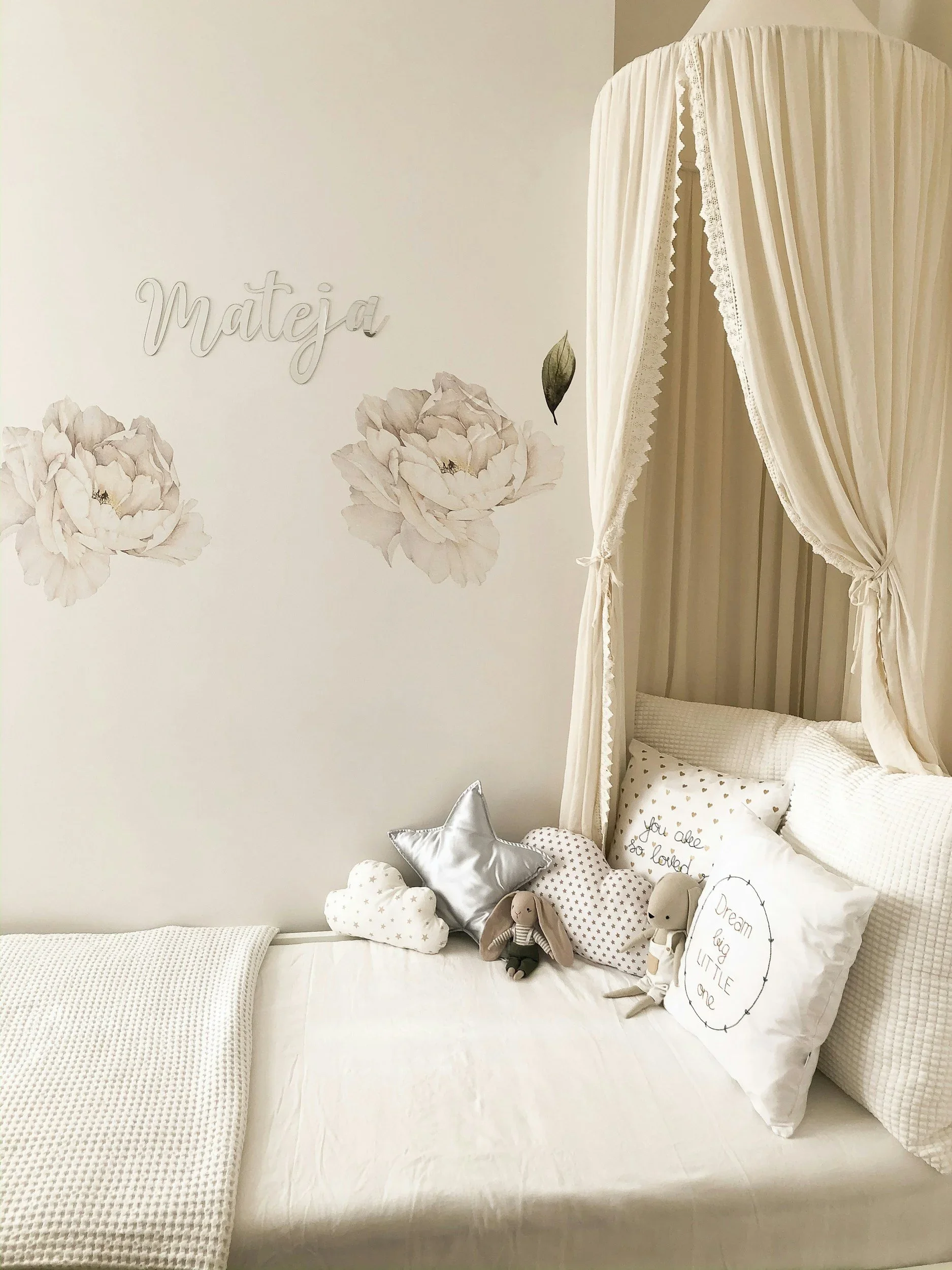
Here are five small but powerful organizing shifts we regularly implement that help families feel more in control of their homes.
1. Creating landing zones where clutter naturally forms
Every home has drop spots. Kitchen counters, entry tables, the end of the dining table, or the nearest chair. These areas are not a problem because of bad habits. They are simply places where life happens fast.
Instead of fighting these zones, we work with them. A simple tray for mail, a basket for bags, or a small drawer for everyday essentials can transform chaos into order. When items have a clear place to land, they are far more likely to stay contained and easy to manage.
2. Editing before organizing
One of the most common mistakes we see is trying to organize too much stuff. No bin or system can function well if it is holding items you no longer use or need.
We always start by editing. That means pulling items out, reviewing what truly belongs in the space, and letting go of what no longer serves your current life. This step alone often brings instant relief and makes the organizing phase feel far less overwhelming.
3. Designing storage for daily routines, not ideal routines
Many organizing systems fail because they are built around how we wish we lived rather than how we actually live. The goal is not perfection. The goal is function.
If shoes are always kicked off near the door, that is where shoe storage should live. If backpacks land in the kitchen every afternoon, that is where hooks or bins belong. When storage supports natural habits, maintaining order becomes second nature.
4. Keeping systems visible and simple
Out of sight does not always mean out of mind. Especially for busy households, clear bins, open shelving, and labeled containers often work better than closed storage.
Visibility helps everyone know where things belong and what needs replenishing. Simple, intuitive systems reduce decision fatigue and help all family members participate in keeping the home organized.
5. Resetting spaces regularly, not constantly
A home does not need daily deep organizing to stay functional. What it does need are simple reset routines. A quick weekly reset of high-traffic areas can prevent clutter from building up and becoming overwhelming.
We encourage clients to focus on a few key zones rather than the entire house. When these spaces stay manageable, the rest of the home tends to follow.

Organization that supports real life
At The Organized You, we believe organization should feel supportive, not restrictive. Our work is about creating systems that evolve with your life, making your home easier to manage over time.
Small shifts can create big change. When your space works for you, everything from mornings to evenings feels a little calmer.
Contact The Organized You
Walpole, MA
📧 Email Address: heather@theorganizedyou.com
🌐 Website: https://www.theorganizedyou.com/
☎️ Phone: 508-505-5673